What Is THCa? Everything You Need to Know
Learn about how and where to buy THCa and find the best products
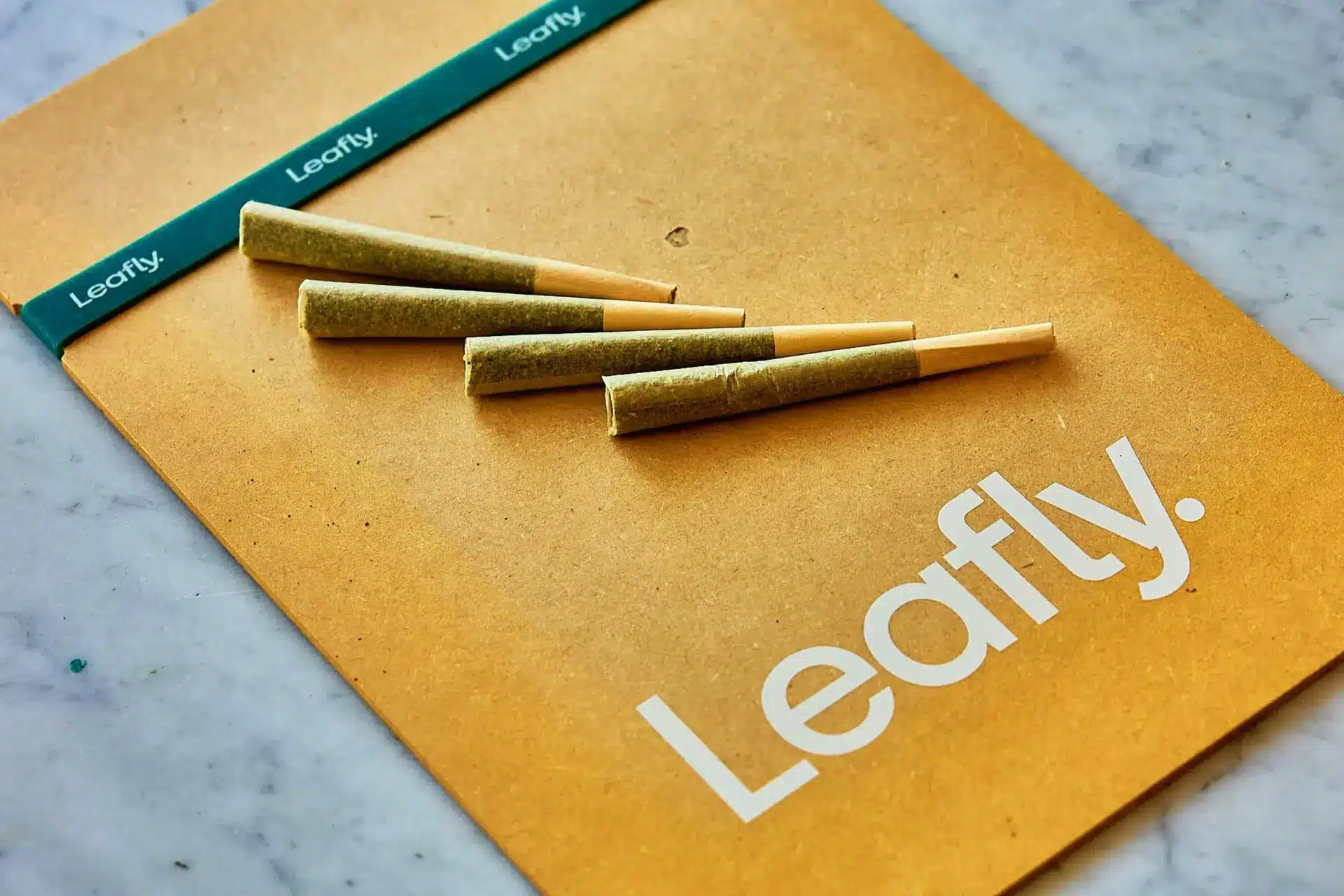
Are you 'green' when it comes to THCa?
Welcome to our THCa education hub! If you're new to THCa, you're in the right place. THCa stands for tetrahydrocannabinolic acid. It’s a naturally occurring cannabinoid found in raw cannabis. Unlike Delta-9 THC, which is well-known for its psychoactive effects, THCa is non-psychoactive until it’s heated.
Perhaps you’ve heard of other forms of THC like Delta-8, Delta-10 or THC-O. THC-O is a synthetic cannabinoid that’s chemically derived from CBD. It is known for being more potent than Delta-9 THC. Delta-8 and Delta-10 are found in the cannabis plant in much smaller quantities compared to Delta-9 THC. Delta-9 is the most abundant (and most strictly regulated) psychoactive compound in cannabis, whereas Delta-8 and Delta-10 are present in trace amounts and are much less potent.
Because of their limited natural occurrence, Delta-8 and Delta-10 are often produced through chemical conversion processes from CBD or Delta-9 THC.
Not so with THCa …
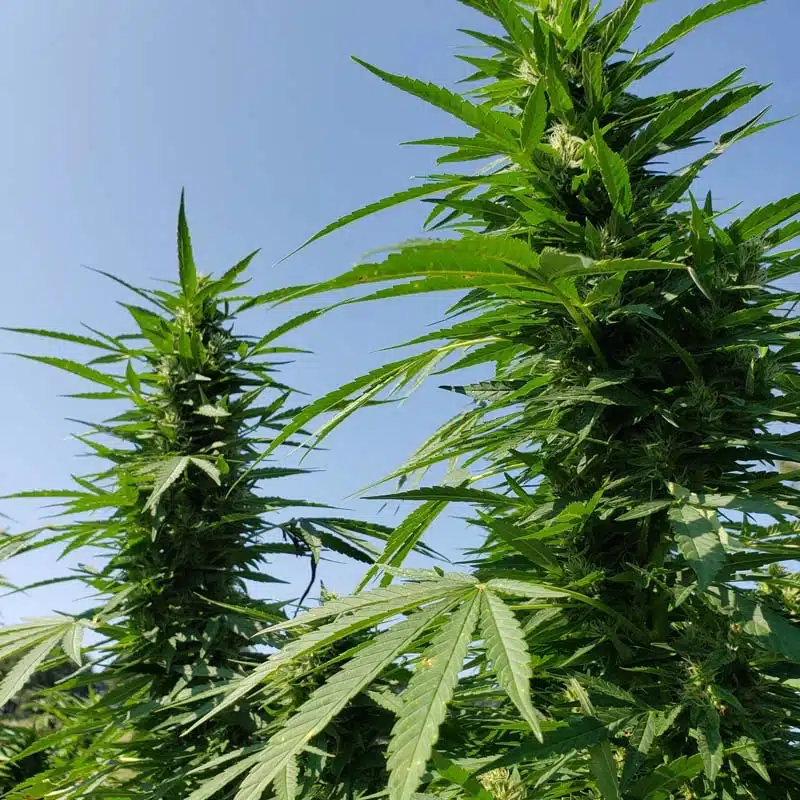
All cannabis that grows with high THC levels initially develop THCa. It will typically convert to Delta-9 with the natural heat from lighting, the sun, drying processes, etc. Innovative Asheville, NC farmers have figured out how to keep these plants just cold enough to stop the THCa from converting to delta-9, thus making them a fully legal and compliant hemp product grown with all natural and organic practices.
Dive in to learn more about this fascinating compound!
The Endocannabinoid System*
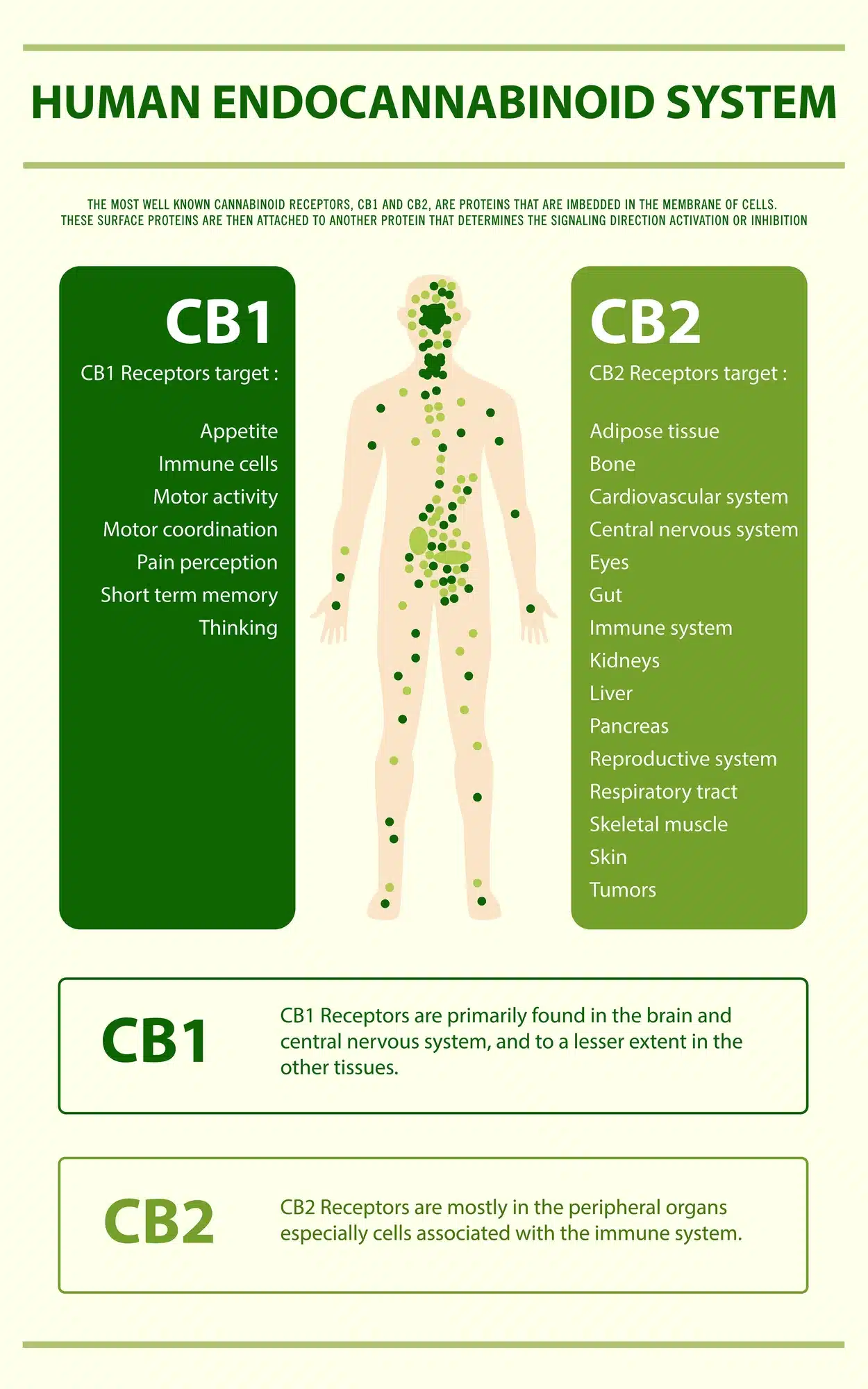
The endocannabinoid system (ECS) is a vital cell-signaling system that helps regulate various functions like mood, appetite, sleep, and immune response. It consists of endocannabinoids, receptors (CB1 and CB2), and enzymes. Endocannabinoids are natural molecules that bind to cannabinoid receptors to signal the ECS to take action. CB1 receptors are primarily in the central nervous system, while CB2 receptors are found in the peripheral nervous system, particularly in immune cells.
In its raw form, THCa doesn't directly bind to these receptors. However, when heated, it converts to Delta-9 THC, which interacts with CB1 receptors to produce psychoactive effects. Some have suggested that THCa may also have unique interactions with the ECS, though it remains non-psychoactive in its raw state (but further studies are needed to confirm this).
FAQs About CBD
Shop THCa ProductsWhat is THCa?
THCa (tetrahydrocannabinolic acid) is a naturally occurring cannabinoid found in raw cannabis. Unlike THC, which is known for its psychoactive effects, THCa is non-psychoactive until it’s heated.
What is THCa vs Delta9-THC?
THCa is the precursor to Delta-9 THC. When THCa is heated (through smoking, vaping, or cooking), it converts to Delta-9 THC, which is psychoactive. Delta-9 THC is stronger in terms of producing a “high”, while raw THCa doesn’t have the same effect.
What is the difference between THCa and CBD?
THCa and CBD are both non-psychoactive in their raw forms, but they interact with the body differently. THCa converts to THC when heated, causing psychoactive effects, while CBD remains non-psychoactive and has different effects on the body. To learn more about CBD, visit this page.
How long does THCa stay in your system?
THCa itself isn’t commonly tested in standard drug tests, but once converted to THC, it can stay in your system for several days to weeks, depending on usage frequency and your metabolism.
Is THCa psychoactive?
No, THCa is not psychoactive in its raw form. It only becomes psychoactive when converted to Delta-9 THC through heating.
Will using THCa cause me to fail a drug test?
Because it converts to THC when heating, there is a chance that using THCa could cause you to fail a drug test. THC is what drug tests typically look for. We recommend discussing your use of CBD and/or THCa with your employer and sharing third-party lab analyses before starting THCa products. Many of our customers have successfully navigated this conversation with employers, HR directors, pain clinics, parole officers, etc.
Why is THCa legal?
Because THCa is non-psychoactive, it doesn’t fall under the same legal regulations as THC in its raw form. (However, once it’s converted to THC through heating, it becomes subject to the same legal restrictions as THC.) Farmers in Asheville have figured out how to keep these plants just cold enough to stop the THCa from converting to delta-9, thus making them a fully legal and compliant hemp product grown with all natural and organic practices.
Does THCa turn into delta9 when smoked?
Yes, when THCa is smoked, vaped, or otherwise heated, it converts to Delta9-THC, which is the psychoactive form of THC.
How and Where Can I Buy THCa Online?
If you’re looking to buy THCa flower or other THCa products online, you’re in the right place! But there are some important things to consider:
First, THCa is legal in its raw form since it’s non-psychoactive, but keep in mind it converts to Delta-9 THC when heated, so always check your local laws.
Second, quality matters. Here at Piedmont Green Dispensary, we pride ourselves on offering top-quality, organically grown THCa products without synthetic additives.
We also can’t stress enough the importance of third-party lab testing. It ensures compliance with regulations, guarantees quality, and verifies safety. These tests confirm the product’s cannabinoid levels, ensuring reliability and authenticity while checking for harmful contaminants. You can view the Certificates of Analysis (COAs) for all THCa products directly on each product page of our website.
If you’re local to North Carolina, you can visit our dispensary in Kannapolis to explore our selection of high-quality, lab-tested THCa products. Otherwise, click here to shop online.
Uses for THCa*
Below is a list of the most common uses for THCa, as reported by many of its users:
- Relaxation
- Soreness & tension relief
- Appetite stimulation
- Mood support
- Sleep support
- Stress reduction
- Digestive support
How to Use THCa*
Types of THCa Products:
- Flower: THCa flower can be smoked or vaporized, where heat converts THCa into Delta-9 THC, providing the psychoactive effects.
- Concentrates: These forms offer even more potent experiences and are typically dabbed or vaporized.
Note: THC edibles are limited in hemp-only states because the cooking process decarbs THCa into Delta9-THC, making them subject to stricter regulations.
Dosage Recommendations and Considerations:
Everyone’s different, so it’s important to start with a low dose and gradually increase until you find the right amount for you. Begin with a small amount and monitor how you feel before taking more. This approach helps you find your optimal dose without overdoing it. Always remember, it’s easier to take more if needed than to deal with taking too much.
All About Terpenes*
Terpenes are the aromatic compounds found in hemp and CBD products. They are responsible for its taste and also play a significant role in shaping the potential therapeutic effects and overall experience during use.
Caryophyllene
Spicy, exotic taste
- Improved inflammatory response
- Appetite stimulation
Myrcene
Fresh, funky taste
- Relaxation
- Sleep support
Limonene
Citrusy taste
- Digestive support
- Mood support
Linalool
Floral, lavender-like taste
- Relaxation
- Stress reduction
Humulene
Hoppy, sweet, funky taste
- Improved inflammatory response
Pinene
Bright, piney taste
- Relaxation
- Focus & memory retention
Ocimene
Complex, bright, sweet, citrusy taste
- Improved inflammatory response
- Immune response support
Terpinolene
Piney, floral, herbaceous, citrusy, complex taste
- Immune response support